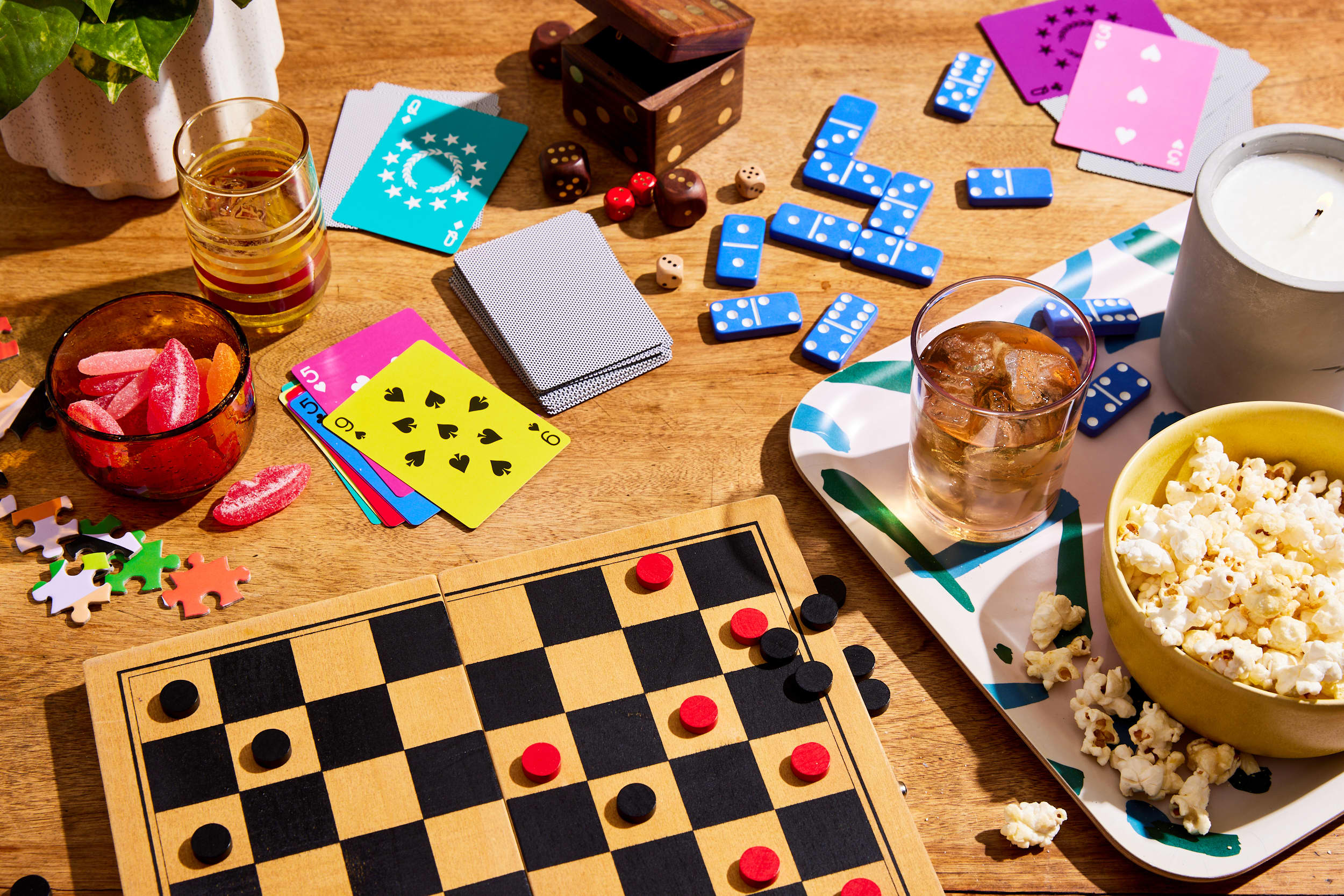
A Comprehensive History of Board games
Board games have occupied a unique space in human civilization for millennia. Unlike fleeting trends, these strategic contests have survived wars, revolutions, and the digital age itself. Chess, checkers, and draughts represent more than simple pastimes. They’re mirrors of human intellect, reflecting our endless fascination with strategy, competition, and the art of outthinking an opponent.
Ancient Beginnings: Where Strategy Was Born
The story of board games doesn’t start in one place. It emerges from multiple corners of the ancient world, each civilization developing its own approach to strategic play. While children played with stones and sticks, adults were busy inventing something far more profound.
The earliest ancestor of checkers appeared in ancient Mesopotamia around 3000 BCE. Archaeologists discovered a game called “Ur” in the royal tombs of Iraq, featuring a checkered board and game pieces that moved according to specific rules. This wasn’t just recreation — it was a window into how ancient minds grappled with probability, positioning, and forward thinking.
Around the same period, ancient Egyptians were playing “Alquerque,” a game that would eventually evolve into modern checkers and draughts. Carved into the roofing slabs of the Temple of Kurna in Egypt, dating to 1400 BCE, these boards weren’t hidden away in private chambers. They were public, visible, almost sacred. The Egyptians understood something we’re still learning: games sharpen the mind in ways that daily routine cannot.
Chess: The Game of Kings and Commoners
Chess has a particularly romantic origin story, though like most ancient history, the exact details blur into legend. Most scholars agree that chess emerged from India around the 6th century CE, originally called “chaturanga.” The name itself reveals the game’s purpose — it means “four divisions of the military”: infantry, cavalry, elephants, and chariots. This wasn’t abstract strategy; it was war on a board.
From India, chess traveled along trade routes to Persia, where it became “shatranj.” The Persians refined the rules and, more importantly, elevated the game’s cultural status. When Arab armies conquered Persia in the 7th century, they didn’t just take territory — they took chess. The game spread across the Islamic world, reaching Spain and southern Europe by the 10th century.
Medieval Europe transformed chess into the game we recognize today. The queen, originally a weak piece that could only move one square diagonally, became the most powerful piece on the board sometime in the 15th century. Some historians attribute this change to the influence of powerful queens like Isabella I of Castile. Whether true or not, it’s a fitting story: the game evolved alongside society itself.
By the Renaissance, chess had become essential to European intellectual life. It wasn’t merely a game — it was training for diplomacy, warfare, and philosophy. Benjamin Franklin wrote an essay titled “The Morals of Chess” in 1750, arguing that the game taught foresight, circumspection, and caution. He wasn’t wrong. Playing chess online or against real opponents teaches you to think several moves ahead, to anticipate your opponent’s strategy, to sacrifice short-term gains for long-term victory.
Checkers and Draughts: Democracy on a Board
While chess was developing its complex rules and royal associations, checkers (or draughts, as it’s known in most of the world) was taking a different path. This was the people’s game, simpler to learn but no less challenging to master.
The transition from Alquerque to modern checkers happened gradually across Europe. By the 12th century, a Frenchman had the brilliant idea of playing Alquerque on a chess board, creating an early version of what we now call checkers. The forced-capture rule — requiring players to jump opponent’s pieces when possible — emerged in France around 1535, adding a strategic depth that transformed casual entertainment into serious competition.
The game took different forms across Europe. The English played on an 8x8 board with 12 pieces per side. The French developed “jeu de dames,” using the same board. But the Dutch had grander ambitions. In the 16th century, they expanded the game to a 10x10 board with 20 pieces per side, creating International Draughts. This version added complexity without sacrificing the game’s essential accessibility.
What made checkers special was its democratic nature. You didn’t need years of study to enjoy a game. A farmer could learn the rules in minutes and, with practice, defeat a nobleman. This accessibility didn’t make it less strategic — it made it more universal. Today, you can play checkers online and experience that same accessible brilliance.
The Golden Age: When Board Games Became Science
The 19th century marked a turning point for all three games. What had been pastimes became subjects of serious study. The first modern chess tournament was held in London in 1851, attracting players from across Europe. Suddenly, chess had champions, rankings, and organized competition.
The American Civil War era saw a checkers boom in the United States. Soldiers played between battles, carrying portable boards in their packs. When they returned home, they brought the game with them. By the 1870s, American checkers had developed its own variant rules, slightly different from the British version but equally competitive.
International Draughts found its strongest following in the Netherlands, France, and Russia. The game’s larger board and longer sequences of captures appealed to players who found 8x8 checkers too limited. World championships began in 1885, establishing draughts as a serious competitive pursuit. Modern players can experience this same strategic depth when they play draughts online against challenging AI opponents.
This was also the era of published game theory. Books analyzing opening strategies, endgame techniques, and tactical patterns flooded the market. What grandmasters had once guarded as secrets became public knowledge. The democratization of strategy had begun.
The Modern Era: From Coffeehouses to Computers
The 20th century brought both challenges and opportunities for traditional board games. Radio, television, and eventually video games competed for attention. Yet chess, checkers, and draughts persisted, adapting to each new era.
Coffeehouses and park benches became informal arenas for casual play. In New York’s Washington Square Park, chess hustlers challenged passersby for small stakes, creating a vibrant street culture around the game. This wasn’t chess as aristocratic pursuit — this was chess as urban theater.
The real revolution came with computers. In 1962, a checkers program written by Arthur Samuel demonstrated machine learning principles that would later transform artificial intelligence. In 1997, IBM’s Deep Blue defeated world chess champion Garry Kasparov, a moment that felt like science fiction becoming reality.
Some feared computers would kill human interest in these games. The opposite happened. Computer analysis revealed strategies that humans had never considered. Players could study games by grandmasters, analyze their own mistakes, and practice against opponents at any time. The games didn’t die — they evolved.
Play Board Games Online: The Digital Revolution
The internet transformed how we play classic board games. What once required a physical board, a willing opponent, and a shared location now happens instantly across continents. Playing chess with two players online captures the same competitive spirit while adding modern conveniences like move timers, chat features, and game history.
Online platforms democratized these ancient games even further. A beginner in rural Nigeria can now practice against AI, improving their skills before facing human opponents. An experienced player in Tokyo can challenge someone in London without either leaving home. The barriers of geography, time zones, and finding opponents have all but disappeared.
Free online board games have made these strategic contests accessible to everyone. No need to purchase expensive sets or find local clubs — just open your browser and start playing. This accessibility has introduced millions of new players to games they might never have tried otherwise.
Why These Games Endure
There’s something almost mystical about placing pieces on a board and engaging in pure strategic combat. No luck, no randomness — just two minds testing themselves against each other. This purity explains why chess, checkers, and draughts have survived for centuries.
Each game offers something distinct. Chess provides near-infinite complexity, with more possible game sequences than atoms in the observable universe. International Draughts combines accessibility with depth, featuring dramatic multi-jump combinations that can reverse the game in a single move. American Checkers, often underestimated, contains subtleties that only reveal themselves after years of study.
These games also serve a psychological function that modern entertainment often lacks. They demand complete focus, pulling players into a state of concentration that psychologists call “flow.” For thirty minutes or three hours, the outside world fades. There’s only the board, the pieces, and the next move.
Benefits of Playing Strategy Board Games
Modern research confirms what players have known intuitively for centuries: these games are good for your brain. Regular chess play improves memory, enhances problem-solving abilities, and can even increase IQ scores in children. The strategic thinking required activates both sides of the brain simultaneously.
Checkers and draughts offer similar cognitive benefits. They teach pattern recognition, spatial reasoning, and the ability to think several moves ahead. Unlike passive entertainment, board games actively engage your mind, forcing you to analyze positions, calculate variations, and make decisions under pressure.
Playing against AI opponents at various difficulty levels provides ideal conditions for improvement. You can practice specific openings, test new strategies, and learn from mistakes without the pressure of human judgment. Many players alternate between playing against the computer for practice and challenging real opponents for the social experience.
The Social Dimension: Two-Player Games
Despite the rise of solo gaming and AI opponents, the social aspect of board games remains irreplaceable. There’s something uniquely satisfying about sitting across from another human, reading their reactions, sensing their strategy. Two-player chess and two-player checkers preserve this human connection even in digital form.
Online multiplayer features like in-game chat add personality to digital matches. You can congratulate opponents on clever moves, discuss strategy after the game, or simply exchange friendly banter. Some players form lasting friendships through regular online matches, connected by shared appreciation for these timeless games.
The ability to spectate live games has also enriched the online board game community. Watching skilled players compete teaches strategy, reveals new techniques, and provides entertainment. It’s like having front-row seats to championship matches whenever you want.
From Ancient Temples to Modern Screens
The journey of chess, checkers, and draughts from ancient origins to modern screens demonstrates their fundamental appeal. The rules that emerged centuries ago remain largely unchanged because they work — they create the perfect balance of simplicity and complexity, accessibility and depth.
What has changed is accessibility. In the past, you needed a physical board, pieces, and another player at the same location. Today, you can play board games online for free anytime, anywhere. This technological evolution hasn’t diminished these games — it’s introduced them to new generations of players.
The best online platforms preserve what makes these games special while adding modern conveniences. Clean interfaces, responsive controls, and intelligent AI opponents create an experience that honors the games’ heritage while embracing contemporary possibilities.
Learning and Improving Your Game
One advantage of playing online is immediate access to various difficulty levels. Beginners can start with easier AI opponents, building confidence and understanding basic strategies. As skills improve, players can challenge tougher computer opponents or test themselves against human players.
Many online platforms also track statistics, showing win rates, favorite openings, and areas for improvement. This data-driven approach to skill development was impossible in the pre-digital era. You can identify patterns in your play, recognize weaknesses, and focus practice on specific areas.
The availability of games at all hours means you can fit practice into any schedule. A few games during lunch break, an evening match with a friend across the country, or late-night practice against AI — the flexibility supports consistent improvement over time.
The Future of Classic Board Games
As we move further into the digital age, the future of chess, checkers, and draughts looks bright. Virtual reality might one day let you sit across from a holographic opponent. AI analysis will continue revealing new strategic insights. But the core experience — two minds competing through pure strategy — will remain unchanged.
New players continue discovering these games every day. Children learn chess in school programs. Adults rediscover childhood games through online platforms. Competitive players push the boundaries of strategic understanding. The cycle of learning, playing, and mastering continues across generations.
What’s remarkable isn’t that these games survived — it’s that they’ve thrived without fundamentally changing. The chess pieces move the same way they did five centuries ago. The rules of draughts that emerged in the Renaissance remain intact. This stability is itself revolutionary in our age of constant updates and patches.
Conclusion: Timeless Games for Modern Players
The history of board games reveals a profound truth about human nature. We’re drawn to challenges that test our intellect, competitions that demand our full attention, and pursuits that offer endless depth. Chess, checkers, and draughts satisfy these needs in their purest form.
From ancient temples to medieval courts, from coffeehouses to computer screens, these games have journeyed alongside civilization itself. They’ve taught kings and commoners alike about patience, foresight, and the art of thinking ahead. And they’ll continue to do so for centuries to come, one move at a time.
Whether you’re a complete beginner or experienced player, whether you prefer the infinite complexity of chess, the democratic accessibility of checkers, or the dramatic combinations of international draughts, there’s never been a better time to engage with these classic games. Modern online platforms have made them more accessible than ever, breaking down barriers of cost, location, and finding opponents.
So why not start today? Play chess online, challenge yourself at checkers, or try international draughts. Join millions of players worldwide in celebrating games that have captivated humanity for thousands of years. The board is set, the pieces are ready — your move awaits.